
.jpg?alt=media&token=0266b7e8-db04-406a-b722-d4df9fd96f07)
Why "Tricks" Matter as Much as Technical Skill
You can make a flawless balloon dog and still not impress the crowd. What turns a good balloon twister into an unforgettable entertainer is the combination of technical skill with deliberate presentation moments — the timing, the reveal, the surprise. These are the balloon tricks we're talking about: things you do or say that amplify the reaction you get from kids (and their parents).
Here are 10 of the most reliable ones, ranked roughly from beginner-friendly to slightly more advanced.
1. The Delayed Reveal
Don't tell the child what you're making until it's finished. Ask them to guess mid-way through. The guessing game creates engagement and makes the reveal — "It's a giraffe!" — feel like a magic moment rather than a demonstration.
2. The "Wrong" Animal
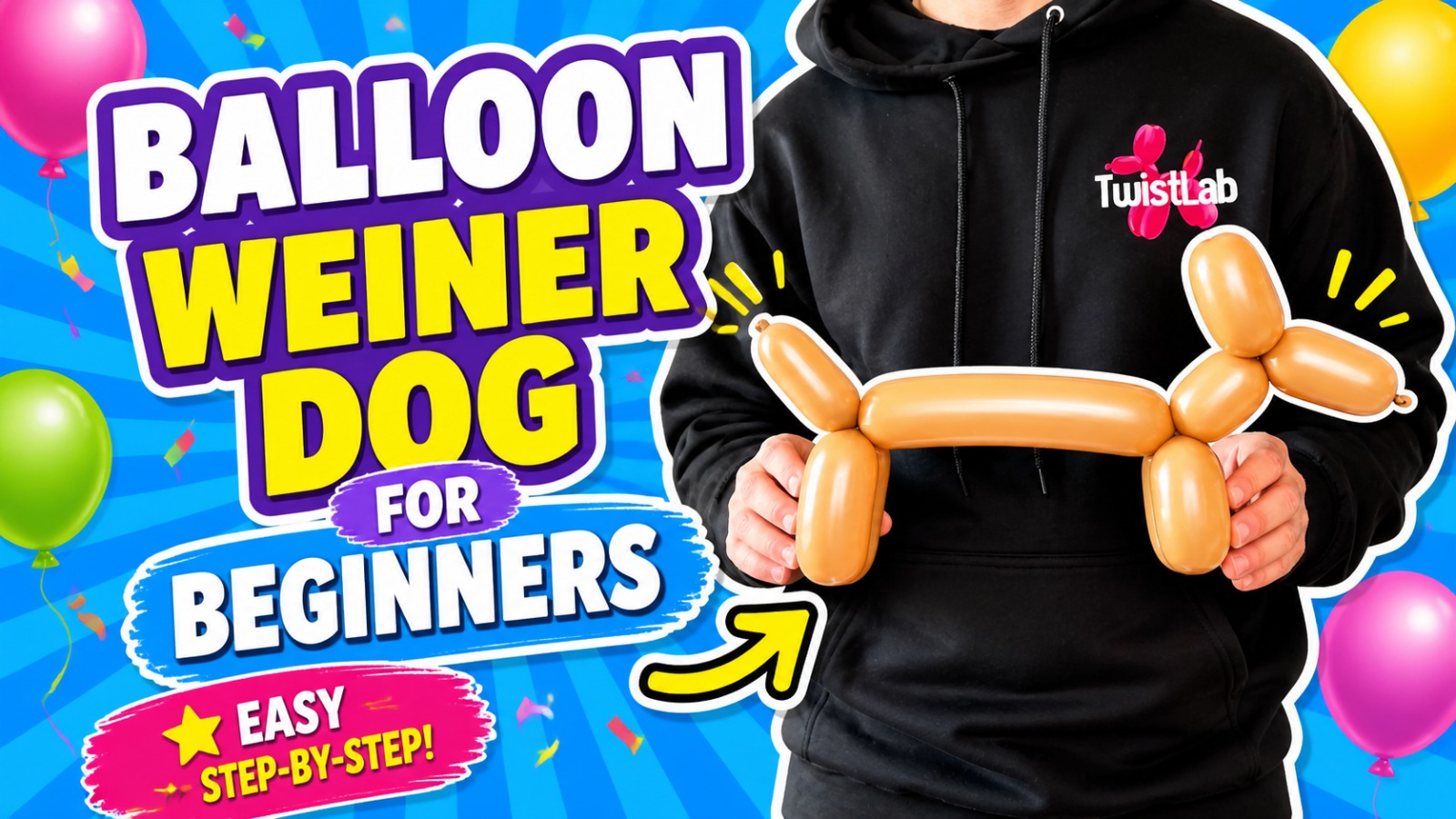
Start making a balloon dog, and when you're about three bubbles in, say "Hmm, I'm not sure this one wants to be a dog..." — then adjust slightly and declare it a giraffe by adding a long neck. Kids find the spontaneity hilarious. You've also just learned one figure but delivered two reactions.
3. The Wearable Surprise
Make a balloon animal, then loop the tail around the child's wrist. Suddenly it's a wristband, not just a toy. This works especially well with flowers, swords, and small animals. Wearables are the highest-retention give-away at events — kids wear them for hours.
4. The Bubble Sound Effect
Learn to snap a segment of balloon deliberately to create a loud pop-like sound without actually popping the balloon. Practice on your own balloons at home. Used at the right moment — like "tightening" a dog's collar — it gets a shocked laugh every time.
5. Speed Round
If there's a queue, announce: "I'm going to make this one in under 20 seconds." Produce a simple sword or basic dog as fast as you can. Speed is inherently impressive to children. It also keeps lines moving at busy parties.
6. The Guess My Colour Game
Hold several balloon colours behind your back and ask the child to guess which one you picked. Reveal it. This adds two seconds of tension and makes even the colour choice feel special.
7. The Hat Stack
Make a basic balloon hat and put it on the child's head — then ask if they want it bigger, smaller, or "with ears." If they say with ears, add ear bubbles on the sides. Iterative customisation makes kids feel like collaborators rather than passive recipients.
8. The Unexpected Scale
Occasionally make something dramatically oversized — a giant sword using three balloons connected, or a two-balloon dog that's almost as big as the child. The scale surprise creates a gasp reaction that no normal-sized figure can match.
9. The Request Challenge
Tell the kids: "I can make any animal you can think of." Even if a child requests a platypus (which happens), you can usually adapt a figure on the fly and name it whatever they asked for. Kids care more about the story than anatomical accuracy.
10. The Ending Balloon
Save your most impressive figure for the last balloon of the event. Build it slowly, narrate what you're doing, make it collaborative. End with a bang rather than trailing off. Parents remember the last five minutes of any service more than the middle.
How to Get Good Enough to Use These Tricks Consistently
Presentation tricks only work if your underlying technical skill is solid. If you're thinking about which way to lock-twist the ears, you can't simultaneously build timing and rapport with a child. That fluency only comes from structured, deliberate practice.
Our TwistLab course gives you the exact progression to develop that fluency — from your first twist to a full event-ready repertoire — along with guidance on the business and performance side of balloon entertainment.
Build Your Full Balloon Skill Set →
.jpg?alt=media&token=3d41a428-73b7-491b-9044-66aee592ceb5)